- ISS Department
- Initial training - Continuing education
- Aix-en-Provence, Luminy, Marseille Saint-Charles, Marseille Saint-Jérôme
The environment from every angle!
Aix-Marseille University (AMU) follows CNIL guidelines
The platform that broadcasts this content conditions its reading to the deposit of tracers in order to offer you targeted advertising according to your navigation.
By clicking on 'I authorize', the cookies will be deposited and you will be able to view this content.
Pedagogy
AIMS
After a first year in the scientific portal Louis Pasteur, the last two years of the Life and Earth Sciences (SVT) degree have the pedagogical objective of meeting four key competences, which guide all the courses that the students follow: observe, analyse, act, transmit.
Observe: knowing how to master the techniques of observation and experimentation and the materials specific to the different disciplines taught.
Analysing: knowing how to make critical arguments on the basis of robust, reliable and objective analyses.
Act: learn the reality of the different sectors of activity in the environmental sciences in order to have all the bases to enter directly into professional life or to enter a master's degree or an engineering school.
Transmit : To know how to present scientific information both in writing and orally, adapting one's speech to the audience concerned, in accordance with the expectations of the future professions aimed at, whether this concerns the core of the subject (teaching) or in the context of collaborative work (research, consultancies).
TARGETED STUDENTS
Students with a good scientific background. Bachelor's degree with scientific specialities.
STRUCTURE AND ORGANISATION
The SVT licence starts with the same portal « Pasteur » of L1 as the Life Sciences (SV), Health and Social Sciences (SSS) and Chemistry licences. This portal allows to consolidate the scientific bases of the high school and to present the diversity of the disciplines and methods developed in the courses.
The mention begins therefore with the first year of the degree.
The mention thus begins in L2 with its different courses, but with a notable mutualisation on a disciplinary and methodological level to achieve the objectives of common competences of the mention.
LEARNING SITES
- SCIENCES, Aix-en-Provence
- SCIENCES, Marseille Luminy
- SCIENCES, Marseille St-Charles
- SCIENCES, Marseille St-Jérôme
- SCIENCES, Enseignement à distance (EAD)
- Sciences, Digne-les-Bains
KNOWLEDGE TO BE ACQUIRED
Firstly, to reinforce (L1) the scientific bases of the high school, then to acquire the theoretical bases of the various disciplines covered by the Pasteur portal and finally, to begin to learn the general functioning of the planet and its ecosystems, as well as to understand how the world works; Learn the general functioning of the planet and its ecosystems as well as the methods of study that will be developed in the courses.
Then, either deepen in targeted pathways (L2-L3) one's knowledge in one of the major fields of environmental sciences through classical, modern and merging techniques, or maintain the multidisciplinarity necessary for the development of the environmental sciences;This can be done by either studying for a degree in environmental studies or preparing for teaching competitions (primary or secondary in SVT) or entering veterinary and agronomy schools on specific courses.
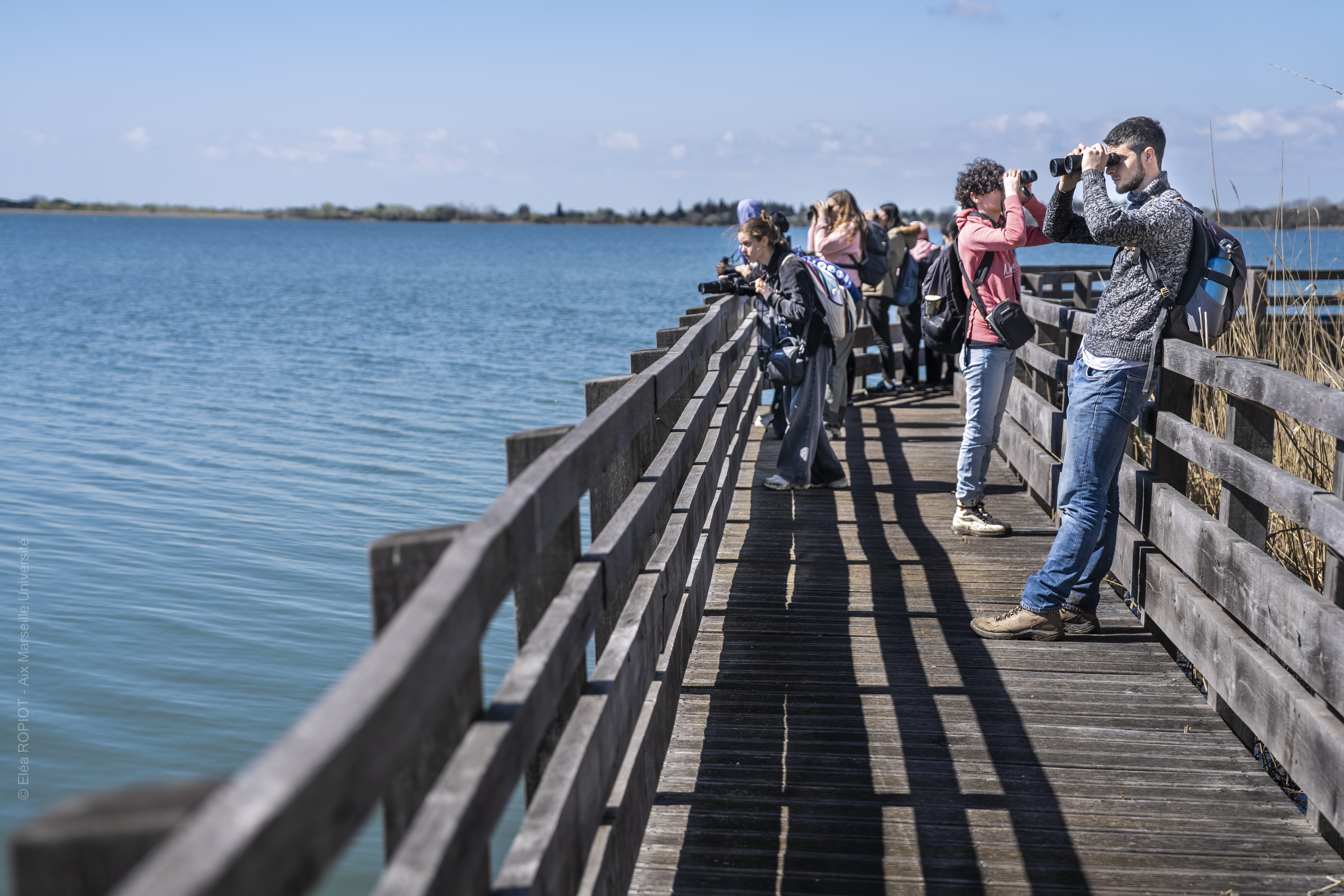
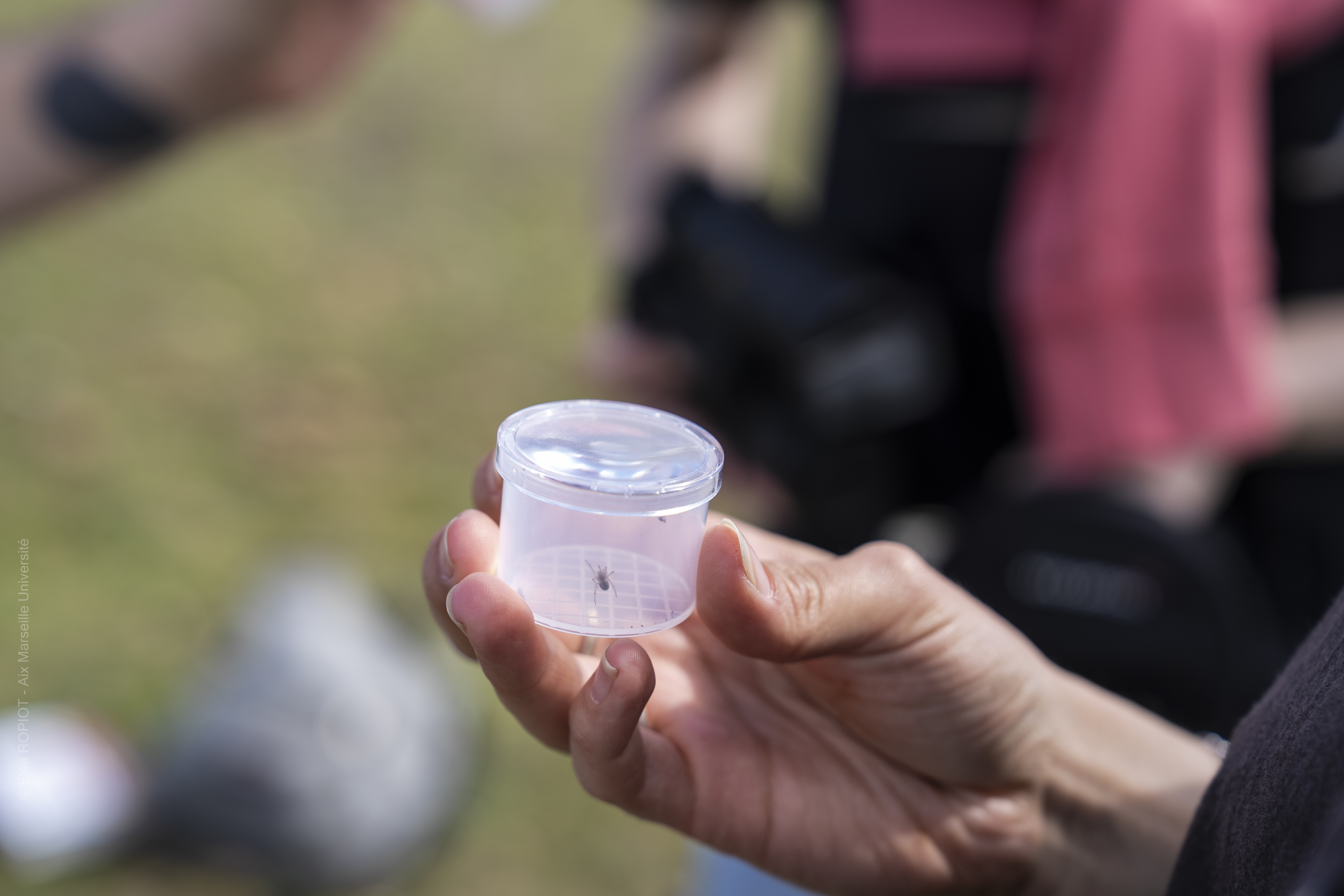
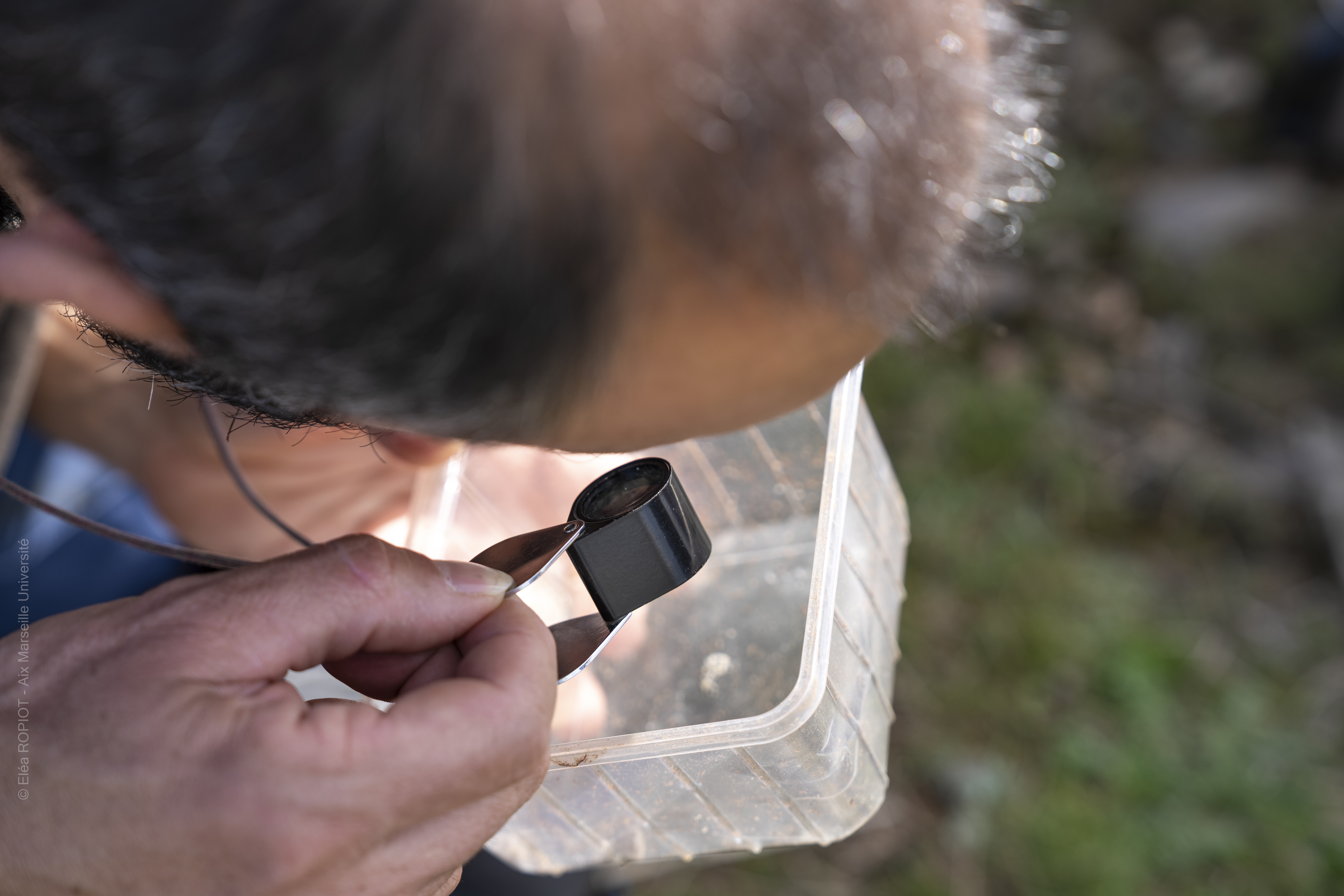
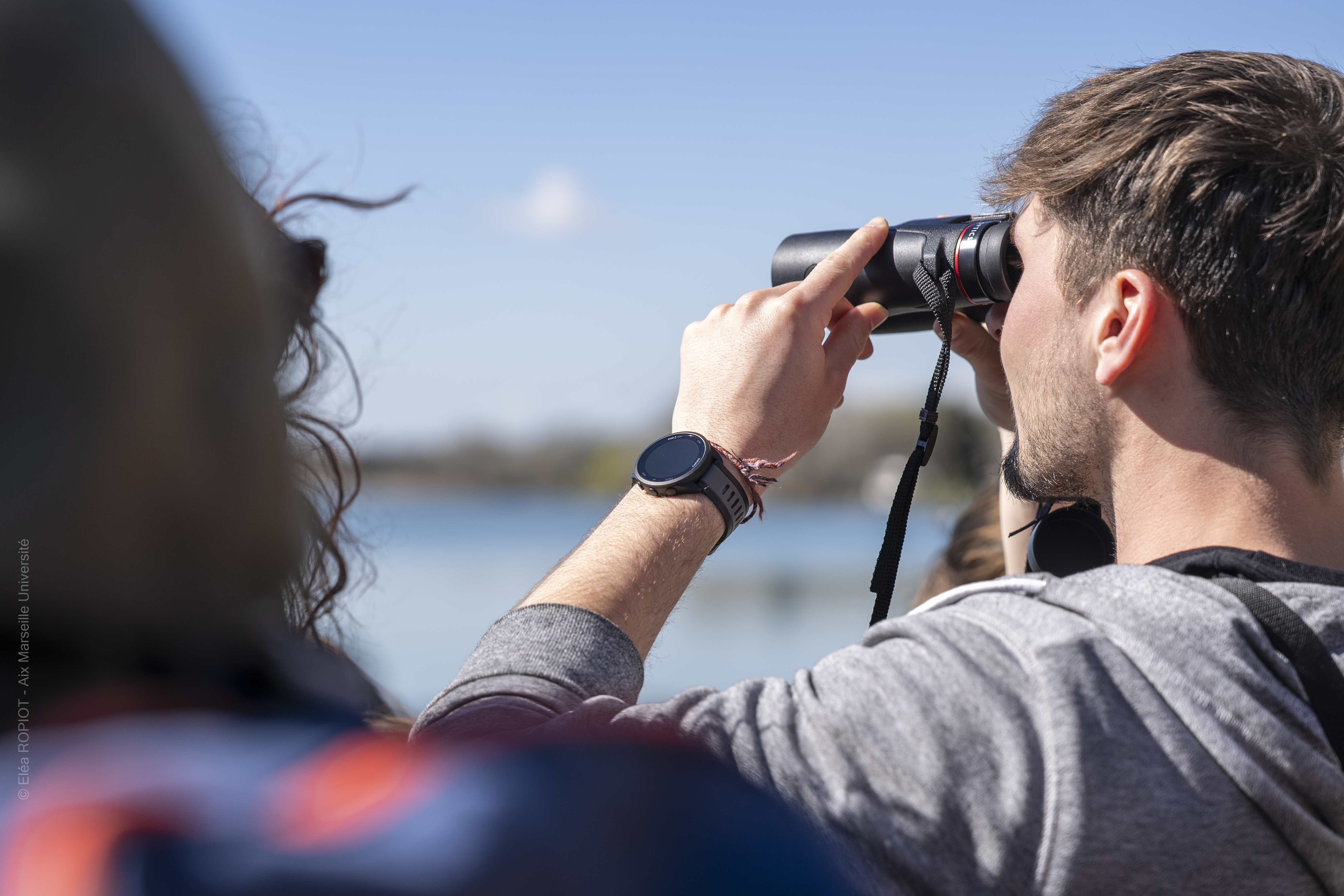
Familiarise yourself throughout the course with the experimental and field approach, to better assimilate the theoretical teachings and methods of analysis used in environmental sciences.
PROFESSIONAL SKILLS TO BE ACQUIRED
- Constitute and structure a cultural background in environmental sciences allowing to pose and answer transdisciplinary problems in life and earth sciences by relying on the knowledge of fundamental disciplines.
- Do you have a scientific approach to ask questions through careful observation?
- Develop a scientific approach to answer a question through the methodical observation of natural objects in the field or in the laboratory, and through the processing and critical interpretation of data.
- Present scientific knowledge or work in a structured manner, either orally or in writing, by mastering (in French) and using (in English) a vocabulary of the Life and Earth Sciences adapted to the target audience.
- Conduct and carry out, individually or collaboratively, a scientific project in the field of the Environment on the basis of bibliographic, field or laboratory data.
- Identify and understand the problems of professional circles confronted with major environmental issues, by mobilising one's fundamental, methodological and technological knowledge in SVT.
INTERNSHIPS AND SUPERVISED PROJECTS
Students are encouraged to do internships during their holiday periods. These internships may give rise to a bonus for the following semester, in agreement with the year head.
TYPICAL COURSE
- PRSPL3C1 Plurisciences pathway
- PRSPL3C2 Plurisciences distance learning course
- PRSVT3C1 Course: Biodiversity and Ecology
- PRSVT3C2 Course: CUPGE "Agro-Véto
- PRSVT3C3 Course: Environment, pollution and surroundings
- PRSVT3C4 Course: Man and the Environment
- PRSVT3C5 Route: Sea
- PRSVT3C6 Course: Biological and geological sciences
- PRSVT3C7 Pathway: Land
- PRSVT3M1 Geological technician
- PRSVT3S1 Course: Man and the Environment (LAS)
- PRSVT3S2 Route: Sea (LAS)
- PRSVT3S3 Terre accès santé pathway
- SVT2S3 Pathway: Land (LAS)
SUPPORT FOR YOUR ACADEMIC ACHIEVEMENT
A unit of L1 of methodology applied to sciences will help the student in his learning. Each year, a professional project unit will help the student to think about his project, to acquire the fundamental notions for the search for an internship or a job, but also to follow the acquisition of his skills.
SUPPORT FOR YOUR ACADEMIC CHOICES
The SVT licence participates in the policy of the UFR Sciences for orientation through its participation in orientation fairs, the ONISEP videoconferences with the high schools of the académie, the Tchats de l'orientation initiated by the SUIO, the active orientation that existed in APB...
The incoming orientations, mainly in L2 and L3, of students coming from PACES, CPGE, BTS, IUT or other licences are studied on files with benevolence.
SUPPORT FOR YOUR STUDIES ABROAD
The SVT degree has had a voluntarist policy since its creation to send its students on international exchanges in L3 mainly via ERASMUS but also via the BCI thanks to an ongoing relationship with the University of Quebec in Rimouski.
Registrations
ADMISSION CONDITIONS
Entrance on title for holders of the baccalaureate or equivalent (DAEU, foreign diplomas after advice from the educational commission) or by VES or VAP. Selection on the basis of a portfolio for candidates for the CUPGE Agro-Veacute to course and for candidates for the CMI Environmental Engineering and CMI Geology of resources and sustainable development.
SCHOOL REGISTRATION
Diploma can be access by- Initial Formation (FI)
- Continious formation (FC)
- Alertnating Learning formation (FAL)
Specialization courses
Biodiversity and Ecology
CUPGE "Agro-Véto" course
Environment, Pollution and Environments
Man and the environment pathway
Man and the environment pathway
Sea Route
Sea Route
Land course
Land course
Biological and geological sciences
Geological Technician career path
Geological Technician career path
Plurisciences pathway
-
Practical information
Coming soon...
Managers
- Celine BERTRAND — Head of mention)